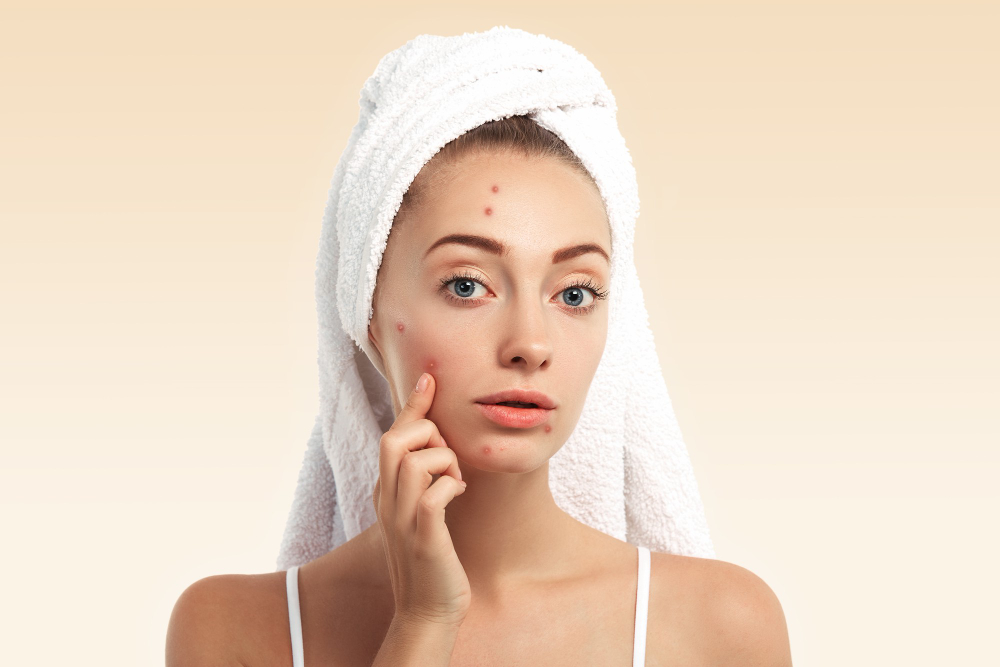
Introduction: Acne and Its Impact
Acne, also known as pimples, is a common skin problem. It affects people of all ages, but teenagers often face it the most. For many, acne can lower self-confidence and cause stress. However, understanding the risk factors of acne can help you prevent and manage it better. Ayurveda in India offers unique insights into why acne happens and how to keep your skin clear.
What Is Acne Vulgaris?
Acne vulgaris is the medical term for common acne. It happens when hair follicles get clogged with oil and dead skin cells. This can lead to whiteheads, blackheads, or pimples. Modern medicine links acne to hormones, bacteria, and blocked pores. In Ayurveda, acne is called “Yauvan Pidika.” It is believed to be caused by an imbalance in the body’s natural energies, known as doshas.
Risk Factors of Acne: Modern and Ayurvedic Views
Many things can increase your risk of getting acne. Both modern science and Ayurveda agree that several factors play a role. Let’s look at these risk factors in detail.
Genetic Predisposition
First, your family history matters. If your parents had acne, you may be more likely to get it too. Genes can affect how much oil your skin makes and how it reacts to hormones.
Hormonal Changes
Next, hormones play a big part. Teenagers often get acne during puberty because their hormone levels change. Women may notice more pimples during their periods or pregnancy. In Ayurveda, these changes are linked to imbalances in the doshas, especially Pitta dosha.
Diet and Lifestyle Habits
What you eat and how you live can affect your skin. For example, eating oily or spicy foods may trigger acne. Ayurveda suggests that foods increasing heat in the body, like fried or processed foods, can worsen pimples. Poor sleep, lack of exercise, and irregular routines also raise your risk.
Environmental Factors
Pollution, dust, and humidity can clog your pores. If you live in a city or a hot, humid area, you may notice more breakouts. Ayurveda says that exposure to heat and dust can increase Pitta and Kapha doshas, leading to more pimples.
Stress and Emotional Health
Stress is another big risk factor. When you feel stressed, your body releases hormones that can make acne worse. Ayurveda teaches that mental stress disturbs all three doshas, especially Vata and Pitta, which can show up as skin problems.
Use of Cosmetics or Medications
Some makeup and skin products can block pores. Heavy creams or oily products may trigger breakouts. Certain medicines, like steroids or birth control pills, can also cause acne. Always check labels and talk to your doctor if you notice new pimples after starting a product or medicine.
Ayurvedic Perspective on Acne Risk Factors
Ayurveda believes that acne happens when there is an imbalance in the doshas—Vata, Pitta, and Kapha. Usually, an increase in Pitta dosha (which controls heat and metabolism) is the main cause. However, Kapha (which controls oil and moisture) and Vata (which controls movement and dryness) can also play a role.
Ayurveda also links acne to poor digestion and buildup of toxins (ama) in the body. When digestion is weak, toxins can collect and show up as skin problems.
Practical Ayurvedic Tips for Preventing Acne
Thankfully, you can take simple steps to lower your risk of acne. Ayurveda offers natural ways to keep your skin clear and healthy.
Moreover, try to avoid touching your face often. Always remove makeup before sleeping. Choose non-comedogenic (non-pore clogging) products for your skin.
When to Consult a Specialist
Sometimes, home care is not enough. If your acne is severe, painful, or leaves scars, you should see a dermatologist or a qualified Ayurvedic practitioner. Early treatment can prevent long-term skin damage. Also, if you notice sudden or unusual breakouts, it is wise to seek medical advice.
Conclusion
In summary, many risk factors of acne can be managed with the right knowledge and habits. Both modern science and Ayurveda offer helpful tips for clear skin. For best results, consult a qualified Ayurvedic practitioner for personalized advice on managing acne.